Leave Your Message

What is Soow Cable and Why is it the Best Choice for You?

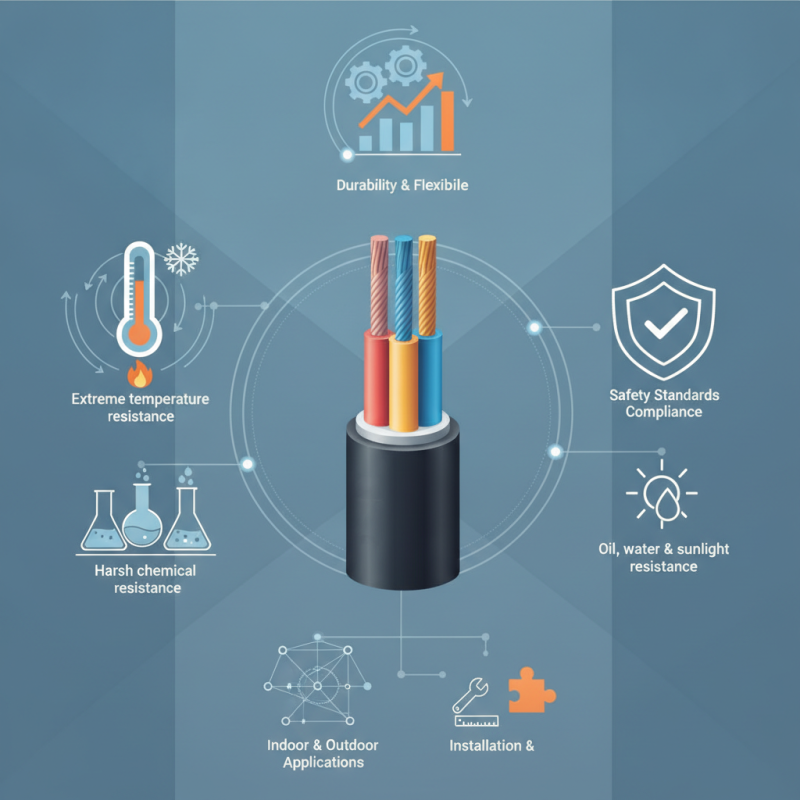
Soow Cable has gained significant recognition in various industries for its durability and flexibility. According to a report by the National Electrical Manufacturers Association (NEMA), flexible cables are projected to grow by 5.3% annually. This rise highlights the need for reliable solutions in demanding environments. Soow Cable stands out due to its ability to withstand extreme conditions, including temperature fluctuations and harsh chemicals.

With its unique construction, Soow Cable ensures longevity, even in rugged applications. Its outer jacket is resistant to oil, water, and sunlight, making it ideal for both indoor and outdoor use. Many businesses choose Soow Cable because it meets stringent safety standards, reducing operational risks. The Underwriters Laboratories (UL) certification further boosts its credibility.

However, it is essential to consider the specific needs of each application. While Soow Cable offers advantages, some users may encounter challenges, such as installation complexities in tight spaces. This emphasizes the importance of thorough planning and professional insights when selecting the right cable. Overall, evaluating the pros and cons of Soow Cable can lead to informed decisions that enhance safety and performance in electrical systems.

What is Soow Cable and Why is it the Best Choice for You?

What is Soow Cable?

Soow cable is a highly versatile electrical cable commonly used in industrial settings. It is designed for tough environments and is known for its flexibility and durability. Soow cables have a thermoset insulation that withstands extreme temperatures, ranging from -40°F to 90°F. This makes them suitable for outdoor applications and harsh conditions.

Industry reports indicate that flexibility is crucial for operational efficiency. According to a recent study, workplaces that utilize flexible cables reduce downtime by up to 20%. This is particularly vital for construction sites and manufacturing plants, where movement and adaptability are essential for productivity. The ability to resist abrasions and moisture further enhances the reliability of Soow cables, making them a preferred choice among professionals.

Tips: When selecting a Soow cable, consider the specific environment in which it will be used. Make sure it meets the required safety standards. Regular inspections can prevent unexpected failures. Remember, prolonged exposure may lead to wear and tear, so plan for replacements as part of your maintenance strategy. Ensuring that cables are properly rated can save costs and enhance safety overall.

What is Soow Cable and Why is it the Best Choice for You?

Dimension Details
Product Type Soow Cable
Gauge Sizes Available in 2 AWG to 6 AWG
Temperature Range -40°C to 90°C
Application Used for portable power tools, outdoor equipment, and temporary power applications
Conductor Material Stranded copper
Insulation Type Thermoplastic elastomer (TPE)
Voltage Rating Up to 600 volts
Durability Highly resistant to abrasion, oil, and UV light
Water Resistance Suitable for wet or damp locations

Key Features and Specifications of Soow Cable

Soow cable is known for its exceptional durability and versatility. It is often used in demanding environments. This type of cable is designed specifically for heavy-duty applications. Its robust outer sheath protects it against moisture, abrasion, and extreme temperatures. This makes it ideal for industrial settings. With a range of gauges available, Soow cable suits various power needs.

Key features of Soow cable include its flexibility and resilience. Whether you're in construction or energy sectors, its performance will impress you. This cable can handle high-voltage applications efficiently. It resists damage from chemicals and oils, enhancing its lifespan. This durability minimizes replacements and reduces maintenance costs.

Tips: Always check cable specifications before purchasing. Understanding your needs ensures you select the right gauge. Inspect your installation regularly for wear and tear. Even a durable cable requires attention. Trust in reliable suppliers to guarantee quality. Investing in the right cable pays off in the long run.

Advantages of Using Soow Cable in Various Applications

What is Soow Cable and Why is it the Best Choice for You?

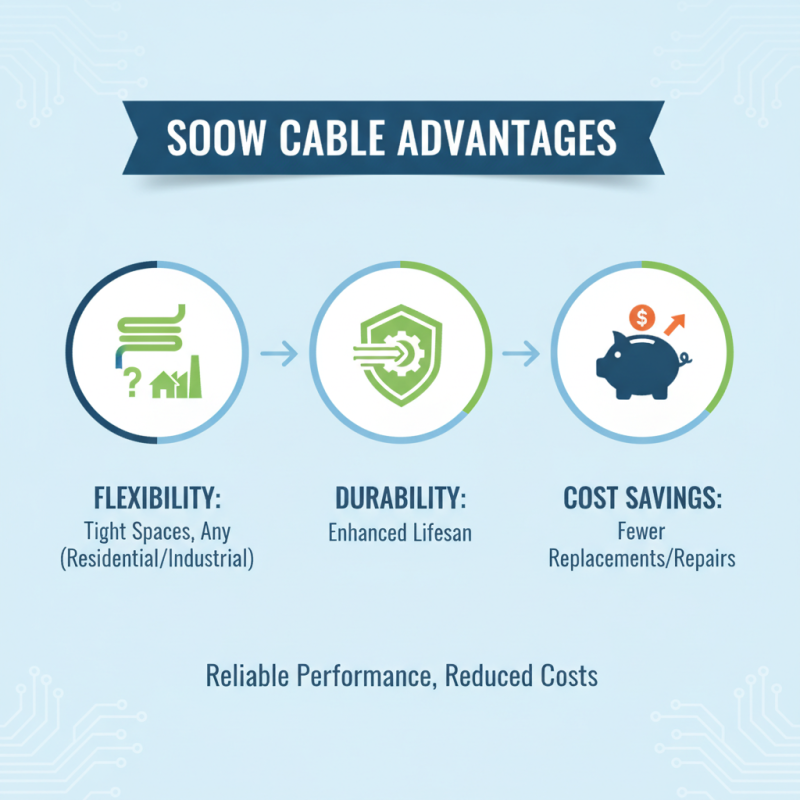
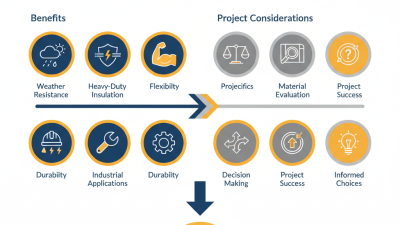
Soow cable offers a variety of advantages across multiple applications. Its flexibility makes it ideal for use in tight spaces. Whether in residential settings or industrial sites, Soow cable adapts easily to the environment. The construction is durable, which enhances its lifespan. This means users often save money on replacements and repairs.

Another significant benefit is its resistance to harsh conditions. Soow cable performs well in extreme temperatures and is moisture-resistant. This quality is essential for outdoor use. It ensures safety and reliability in various weather conditions. Additionally, its excellent electrical properties minimize power loss, making it an efficient choice for many applications.

However, not all users fully utilize its potential. Some might overlook installation practices that ensure optimal performance. Understanding the specific environment can greatly enhance the cable's effectiveness. Better practices lead to improved safety and longevity. Embracing these details can transform an average installation into a highly reliable system.

Comparative Analysis: Soow Cable vs. Other Cable Types

When comparing Soow cable to other types, several factors emerge. Soow cables excel in flexibility and temperature resistance. They can withstand extreme conditions, which is crucial for industrial applications. A recent industry report indicates that Soow cables retain functionality in temperatures ranging from -40°C to 90°C. This adaptability makes them advantageous in demanding environments.

Traditional alternatives, like THHN cables, lack this level of flexibility. The differences in construction significantly impact performance. According to the National Electrical Manufacturers Association, installations using more flexible cables often reduce wear and tear. In contrast, rigid cables can lead to increased failure rates, sometimes as high as 20% in certain conditions.

Cost is another factor. Initial pricing might favor conventional cables, but Soow cables offer lower maintenance expenses over time. The longevity of Soow cables can surpass 25 years, while other types might degrade in less than a decade. This is particularly important in applications that require minimal downtime. Therefore, when evaluating options, the long-term benefits of Soow cables often outweigh upfront costs.

Best Practices for Installing and Maintaining Soow Cable

When it comes to installing and maintaining SOOW cable, proper techniques are crucial. These cables are designed for rugged environments, but neglect can lead to significant issues. Start by conducting a thorough inspection before installation. Check for any visible damage or wear. This initial step is essential for ensuring the longevity of your cable.

During installation, avoid sharp bends and excessive tension. Follow the recommended bending radius. This small detail can prevent future damage and extend service life. It's also important to secure the cable properly, using quality clamps. Loose cables can bring about unnecessary wear and tear. Regular checks should be a part of your maintenance routine. Look for fraying, exposed wires, and any signs of wear.

Chemical exposure can also degrade SOOW cables. Keep them away from harsh substances. In areas where exposure is possible, consider using protective conduits. Document any maintenance actions for future reference. This can help identify recurring issues. Reflecting on your maintenance process can lead to better practices over time. Frequent evaluations will keep your installations safe and efficient.