| Product Scope |
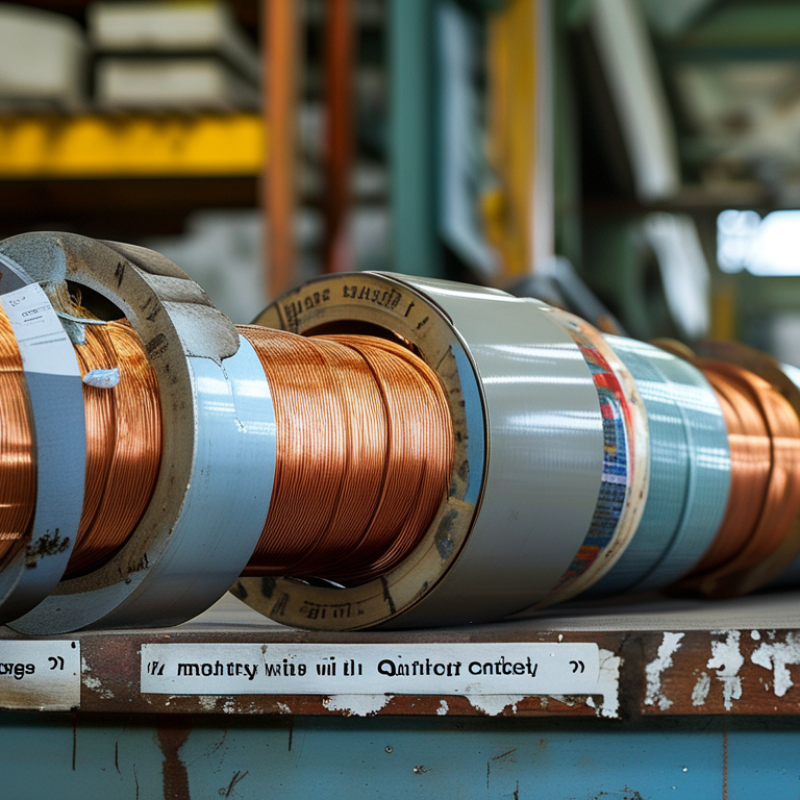
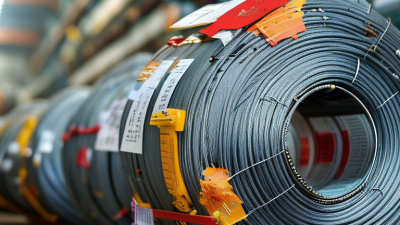
Copper or aluminum conductors, flexible wires, control cables, power cables, and customized constructions. |
Can manufacture the required conductor class, insulation material, voltage rating, shielding, and jacket construction. |
Relies mainly on trading activities or cannot provide clear construction drawings and technical data. |
Product catalogue, technical drawings, material declarations, and representative samples. |
| Production Capacity |
Capacity should be measured by conductor weight, line availability, and monthly output for the exact cable type. |
Maintains documented capacity planning, backup equipment, preventive maintenance, and reserved production slots. |
Quotes capacity only in vague terms such as “unlimited supply” without equipment or scheduling records. |
Production plan, equipment list, utilization data, maintenance records, and factory audit. |
| Typical Lead Time |
Standard items commonly require approximately 3–6 weeks after order confirmation; custom items may require 6–12 weeks. |
Provides lead-time commitments by product family and communicates changes before the planned ship date. |
Repeated extensions, unclear raw-material availability, or no written production schedule. |
Recent purchase-order history, production schedules, and shipment records with dates. |
| On-Time Delivery |
A practical target is at least 95% on-time delivery, measured against the confirmed ship date. |
Tracks on-time delivery monthly and uses corrective actions for late orders. |
Measures delivery only from the factory’s preferred date or cannot provide historical performance. |
Anonymized delivery-performance reports, logistics records, and corrective-action reports. |
| Quality Management |
A documented quality system with incoming, in-process, and final inspection controls. |
Uses lot traceability, calibrated test equipment, statistical process control, and documented nonconformance handling. |
Inspections are performed only after production or records are incomplete. |
Valid management-system certificate, inspection plans, calibration certificates, and sample test reports. |
| Compliance Capability |
Compliance depends on the destination market, cable category, voltage level, and applicable technical standard. |
Can identify applicable standards and provide current third-party or laboratory test documentation. |
Uses expired certificates, unverifiable test reports, or generic certificates unrelated to the ordered construction. |
Certificate numbers, scope statements, laboratory reports, declarations of conformity, and test dates. |
| Raw-Material Security |
Copper, aluminum, insulation compounds, fillers, tapes, and jackets should have qualified sources and clear specifications. |
Maintains multiple approved sources, material traceability, and a documented substitution-approval process. |
Unapproved material substitutions or major price changes without technical explanation. |
Certificates of analysis, supplier-approval records, incoming inspection results, and traceability samples. |
| Minimum Order Quantity |
Standard products may support lower trial quantities; custom colors, constructions, and packaging usually require higher minimums. |
Offers transparent minimums and separates fixed setup costs from recurring production costs. |
Minimum quantities change after quotation or are not linked to material and production requirements. |
Formal quotation, setup-cost breakdown, packaging requirements, and sample-order terms. |
| Capacity Flexibility |
The supplier should be able to handle demand changes without compromising conductor size, insulation thickness, or testing requirements. |
Maintains alternate lines, cross-trained operators, and a documented escalation plan for demand peaks. |
A single critical machine or operator controls the entire production process. |
Capacity stress-test results, contingency plan, equipment redundancy, and workforce-training records. |
| Supply-Chain Resilience |
Assess transport routes, port or border exposure, energy stability, and the availability of alternative logistics channels. |
Uses documented business-continuity planning and can offer more than one export route or logistics option. |
No disruption plan, no backup logistics provider, or dependence on one local source for critical materials. |
Business-continuity plan, logistics map, insurance details, and disruption-response records. |
| Commercial Stability |
Review operating history, payment terms, pricing validity, currency exposure, and raw-material adjustment mechanisms. |
Provides clear quotation validity, transparent adjustment rules, and consistent contract documentation. |
Unusually low pricing, frequent unexplained changes, or pressure to make payments outside the agreed contract. |
Audited financial information where available, trade references, contracts, and payment history. |
| Recommended Supplier Score |
Use a weighted score: quality and compliance 30%, delivery reliability 25%, capacity 20%, total cost 15%, resilience 10%. |
Passes all mandatory quality and compliance requirements and achieves at least 80 out of 100 in the weighted assessment. |
Fails a mandatory compliance requirement even when the commercial score is attractive. |
Completed supplier questionnaire, audit report, sample approval, and documented scorecard. |